10 bestTreatment For A Bunionsof October 2026
112M consumers helped this year.
1
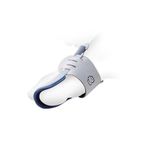
Bauerfeind - ValguLoc - Bunion Splint - Supports Pain Relief from Bunions, Turf-Toe, Realignment & Stabilization of Big Toe - Right Foot - Size 2
BAUERFEIND
9.9
2

Vive Bunion Corrector Splint (Pair) - Big Toe Straightener Brace - Hallux Valgus Pad, Joint Pain Relief, Alignment Treatment - Orthopedic Sleeve Foot Wrap Night Time Support for Men and Women
Vive
9.8
6% off
3
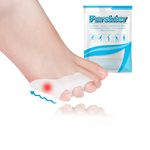
Pinky Toe Separator Tailors Bunion Pads New Material Gel Little Pinky Toe Protectors Sleeve for Tailor's Bunions, Curled Pinky Toes, Overlapping Toe, Blisters, Pain Relief from Friction (10PCS)
Pnrskter
9.7
4

MEIYUETAOSI Bunion Correctors for Women and Man, Adjustable Knob Toe Straightener, Bunion Relief Orthopedic with Anti-slip Heel Strap and Silicone Pad, Suitable for Left and Right Feet
MEIYUETAOSI
9.6
5

Povihome 10 Pack Toe Spacers Separators(1/2'' Thick), Bunion Corrector Gel Orthotics for Bunion, Overlapping Toes - L Size
Povihome
9.4
OtherUp to 5% off
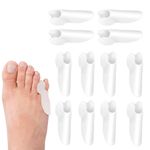
SSuirk Tailor’s Bunion Corrector Pad - 12 Pack Bunionette Straightener & Spacer for Pinky Toe Relief - Soft Silicone Cushion Protector, Pain Relief Splint & Shield for Bunion and Tailor’s Bunion
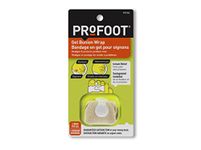
Profoot Gel Bunion Wrap, 1 Count
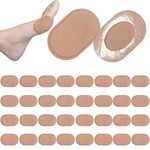
Chiroplax Bunion Cushions Pads Protector Patches Cover Hallux Valgus Tailor's Bunionette Relief Blister Chafing Rubbing Waterproof Non-Stick Center (32 Count)
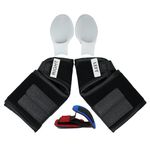
Happystep 3-in-1 Bunion Kit, 1 Pair Splints +1 Pair Toe Separators + Elastic Strap for Hallux Valgus, Bunion Pain Relief, Toe Alignment, for Men, Women Washable (Medium: Women 7-10/Men 6-8)
6
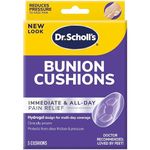
Dr. Scholls Bunion Duragel 5 Cushions (3 Pack)
Dr. Scholl's
9.1
19% off
7

Dr. Scholl's BUNION CUSHION with Duragel Technology, 5ct. Cushioning Protection Against Shoe Pressure and Friction That Fits Easily in Any Shoe For Immediate and All-Day Pain Relief
Dr. Scholl's
8.9
8

Pedifix Nighttime Bunion Regulator
Pedifix
8.6
9
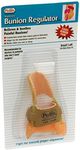
PediFix Bunion Regulator, Left Small
Pedifix
8.3
10
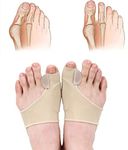
Forwind Bunion Corrector with Gel Relief Pads,Bunion Protector with 2 Toe Separators for Big Toe,Bunion Toe Straightener Pad for Big Toe Bunion Hallux Valgus Pain Relief Suits Day/Night(1 Pair)
Forwind
8.0
Related Reviews You Might Like

A Guide to Selecting the Best Treatment For A Bunions
When choosing a treatment for bunions, it's important to understand that there are both non-surgical and surgical options, and the best choice depends on the severity of your symptoms, your lifestyle, and your overall health. The goal is to relieve pain, improve foot function, and prevent the bunion from getting worse. Before making a decision, consider how much the bunion affects your daily activities, whether you have tried conservative treatments, and what your expectations are for recovery and long-term results. Consulting with a healthcare professional is always recommended to tailor the treatment to your specific needs.
Type of Treatment
The type of treatment refers to whether you choose non-surgical (conservative) methods or surgical intervention. Non-surgical treatments include things like wearing wider shoes, using bunion pads, orthotic devices, and taking pain relievers. These are important because they can help manage symptoms and slow progression without the risks of surgery. Surgical treatments are considered when conservative methods fail and the bunion causes significant pain or deformity. Deciding between these depends on how much the bunion interferes with your life and how well you respond to non-surgical options.
Severity of Bunion
Severity refers to how much the bunion sticks out and how much pain or discomfort it causes. Mild bunions may only need simple changes like better footwear, while moderate to severe bunions might require more structured support or even surgery. Assessing severity helps guide which treatments are likely to be effective. If your bunion is mild and not very painful, conservative treatments are usually enough. If it's severe and affects your walking or daily activities, more advanced interventions may be needed.
Pain Management
Pain management includes methods to reduce discomfort, such as over-the-counter pain relievers, ice packs, or topical creams. This is important because pain is often the main reason people seek treatment. The level of pain you experience can help determine which treatments to try first. If your pain is mild and occasional, simple remedies may suffice. If pain is persistent or severe, you may need to explore additional options like prescription medications or consider surgery.
Footwear Modifications
Footwear modifications involve choosing shoes that have a wide toe box, good arch support, and soft materials to reduce pressure on the bunion. This is crucial because tight or ill-fitting shoes can make bunions worse. When looking at shoe options, consider how much space your toes have and whether the shoes feel comfortable during daily activities. If you spend a lot of time on your feet, prioritizing supportive and roomy shoes can make a big difference in managing symptoms.
Use of Orthotic Devices
Orthotic devices are inserts or pads placed inside your shoes to help align your foot and relieve pressure on the bunion. These are important because they can provide extra support and comfort, especially if you have flat feet or other foot issues. There are over-the-counter and custom-made options. If your bunion is mild to moderate, trying orthotics can be a good first step. If you have unique foot shapes or ongoing discomfort, custom orthotics may be more effective.
Recovery Time and Lifestyle Impact
Recovery time refers to how long it takes to feel better after starting a treatment, especially if surgery is involved. This is important because some treatments, like surgery, may require weeks or months of limited activity, while non-surgical options usually have little to no downtime. Consider how much time you can realistically dedicate to recovery and how treatment might affect your work, exercise, or hobbies. If you need a quick return to normal activities, non-surgical treatments may be preferable.

Best Reviews Guide Newsletter
Get exclusive articles, recommendations, shopping tips, and sales alerts
Sign up for our newsletter to receive weekly recommendations about seasonal and trendy products
Thank you for subscribing!
By submitting your email address you agree to our Terms and Conditions and Privacy Policy