10 bestTowed Vehicle Braking Systemof October 2026
112M consumers helped this year.
1

Blue Ox BRK2022 Patriot Flat Tow Brake
Blue Ox
9.8
2
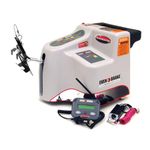
Roadmaster 9400 Even Brake Portable Proportional Brake System
Roadmaster
9.6
3
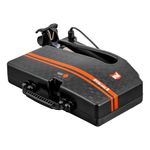
RVI4 Portable Braking System
CURT
9.4
4
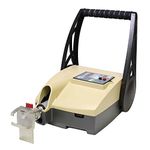
Brake Buddy 39494 Brake Buddy Brake System - Classic 3
Hopkins Towing Solutions
9.2
5
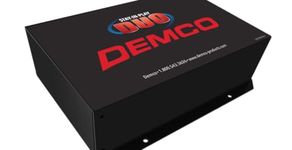
Demco 9599006 Stay-in-Play Duo Braking System
Demco
8.9
Other
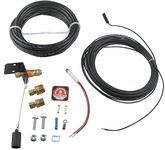
Roadmaster 98200 Brakemaster Towed Car Braking System
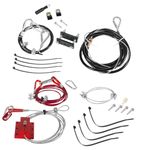
RV Brake Systems for Flat Towing, Emergency Break Away Device and Ready Stop Device,w/Break Pedal Connected Cables Kit Work Between Flat-Towing Cars and RV Tow Bars
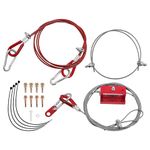
WEST ORGIN RS-5000 Break Away Device, Compatible with NSA RV Towed Vehicle Braking Control System
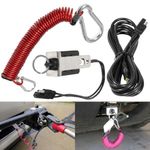
Replace for BRK2505 Breakaway Switch Kit Fit for Blue Ox Patriot Tow Bar Supplemental Braking Systems
6
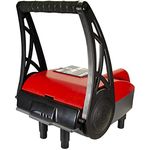
Hopkins Towing Solution - 39524 - Hopkins Brake Buddy Select 3 Towed Vehicle Brake System
Hopkins Towing Solutions
8.7
7
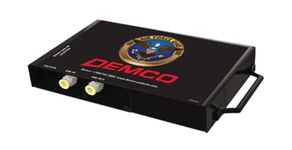
Demco 9599007 Air Force One Braking System, Gray
Demco
8.4
8
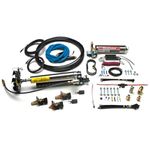
Roadmaster 9160 BrakeMaster Proportionate Towed Car Braking System for Motorhomes with Air or Air Over Hydraulic Brakes
Roadmaster
8.2
9
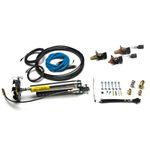
Roadmaster 9100 Brakemaster Towed Car Braking System
Roadmaster
7.9
10
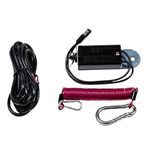
Blue Ox BRK2505 Patriot Breakaway Switch Patriot Breakaway Switch
Blue Ox
7.6
Related Reviews You Might Like


A Guide to Selecting the Best Towed Vehicle Braking System
Choosing the right towed-vehicle braking system is essential for both safety and legal compliance when towing a vehicle behind your RV or truck. The braking system helps your towed vehicle slow down in sync with your main vehicle, reducing stopping distances and preventing excessive wear on your tow vehicle’s brakes. To make the best choice, you should consider how often you tow, the type of vehicles involved, and your comfort with installation and operation. Understanding the key specifications will help you match a braking system to your needs and ensure a safe towing experience.
Braking System Type
The braking system type refers to the way the system applies brakes to the towed vehicle. The main types are proportional and time-delayed systems. Proportional systems sense how hard your tow vehicle is braking and apply the same force to the towed vehicle, making stops smoother and more controlled. Time-delayed systems apply a preset braking force after a short delay, regardless of how hard you brake. Proportional systems are generally better for frequent or long-distance towing, while time-delayed systems can be simpler and more affordable for occasional use. Your choice should depend on how often you tow and how much control you want over braking.
Installation Method
Installation method describes how the braking system is set up in your towed vehicle. Some systems are permanently installed, while others are portable and can be moved between vehicles. Permanent systems are more convenient for regular towing and require less setup each time, but they take more effort to install initially. Portable systems are easier to move and install but may require more time to set up before each trip. If you tow often or always use the same vehicle, a permanent system may be best. If you switch vehicles or tow infrequently, a portable system could be more practical.
Power Source
The power source refers to how the braking system gets the energy it needs to operate. Some systems use the towed vehicle’s battery, while others have their own power supply or use the tow vehicle’s electrical system. Systems that use the towed vehicle’s battery may require you to monitor battery drain, especially on long trips. Self-contained systems are more independent but may need regular charging. Consider how long you typically tow and whether you want to avoid tapping into your vehicle’s battery when choosing a power source.
Compatibility
Compatibility means whether the braking system works with your specific towed vehicle and tow vehicle. Some systems are designed for vehicles with hydraulic brakes, others for air brakes, and some can handle both. Weight limits and vehicle size also matter. Always check that the system you choose is rated for your vehicle’s weight and brake type. If you plan to change vehicles in the future, look for a system with broad compatibility.
Activation Method
Activation method describes how the braking system detects when to apply the brakes. Some systems use sensors to detect deceleration, while others are triggered by the tow vehicle’s brake lights or a direct connection. Sensor-based systems can offer smoother operation, while direct connections may be more responsive. Your choice should depend on how much control and smoothness you want, as well as how comfortable you are with wiring or installing sensors.
Breakaway Feature
A breakaway feature is a safety mechanism that automatically applies the towed vehicle’s brakes if it becomes disconnected from the tow vehicle. This is important for preventing runaway vehicles and is often required by law. Some systems include a breakaway switch and battery, while others may require you to add one. Always ensure your braking system has a reliable breakaway feature, especially if you tow in areas where it’s legally required.

Best Reviews Guide Newsletter
Get exclusive articles, recommendations, shopping tips, and sales alerts
Sign up for our newsletter to receive weekly recommendations about seasonal and trendy products
Thank you for subscribing!
By submitting your email address you agree to our Terms and Conditions and Privacy Policy