10 bestPressure Cannerof November 2026
112M consumers helped this year.
1
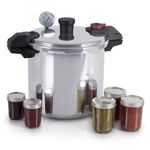
T-fal 22-Quart Aluminum Pressure Canner, 3 PSI Settings, Includes Racks & Guide, Large Capacity, Pressure & Water Bath for Vegetables, Meats, Seafood & Fruits, Silver
T-Fal
10.0
2
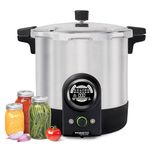
Presto 02153 Precise 23-Quart Digital Pressure Canner
Presto
10.0
3
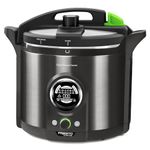
12 Qt Electric Pressure Canner
Presto
9.9
4
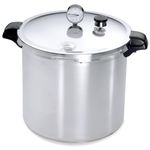
Presto 01784 23-Quart Induction Compatible Pressure Canner, Silver
Presto
9.7
5
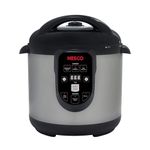
NESCO NPC-9 Smart Electric Pressure Cooker and Canner, 9.5 Quart, Stainless Steel
NESCO
9.5
Other
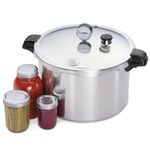
Presto 1755 16-Quart Aluminum Pressure Cooker/Canner

Carey DPC-9SS, Smart Pressure Canner & Cooker, Stainless Steel, 9.5 Quart
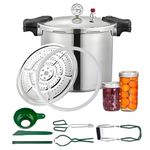
25 Quart Pressure Canner Cooker & Induction Compatible Built-in luxury digital pressure gauge With 1 steaming tray & Pressure release 13 PSI (+/- 5%) | Delivery from US

MIRRO 22qt Aluminum Pressure Canner with 3 Regulators & double Cooking Racks, 5/10/15 PSI
6

Presto 01781 23-Quart Pressure Canner and Cooker
Presto
9.3
7
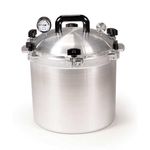
350-0084 Pressure Cooker All American 21 1/2 qt
All American
9.0
8
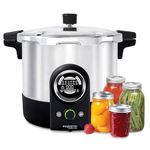
Presto 02154 Precise 16-Quart Digital Pressure Canner
Presto
8.8
9
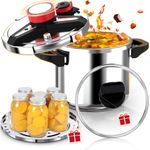
18/8 Stainless Steel Pressure Cooker 12 Quart, [One-Hand Locking] Olla de Presion, [3-In-1] Pressure Canner, Gas Stovetop,Induction Compatible, Glass Lid & Steamer Rack Included
RVGMBO
8.5
10
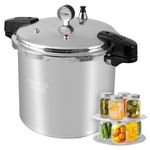
UNIFULL 24 Quart / 23 Liter Pressure Cooker, Pressure Canner With Pressure Gauge, Pressure Relief is 14 PSI (+/- 5%)
UNIFULL
8.2
Related Reviews You Might Like

A Guide to Selecting the Best Pressure Canner
Choosing the right pressure canner is important for anyone interested in safely preserving low-acid foods like vegetables, meats, and soups at home. The right canner will make the process easier, more efficient, and safer. When shopping for a pressure canner, it's important to understand the key features and how they relate to your needs, such as the size of your batches, the type of stove you have, and your comfort with different safety mechanisms. By focusing on the main specifications, you can find a canner that fits your kitchen and your canning goals.
Capacity (Quarts)
Capacity refers to how much food or how many jars the canner can hold at one time, usually measured in quarts. This is important because it determines how many jars you can process in a single batch, which affects how long your canning sessions will take. Smaller canners (around 10-16 quarts) are suitable for individuals or small families who only need to preserve a few jars at a time, while larger canners (20 quarts and above) are better for those who want to process large batches or have bigger harvests. To pick the right size, consider how much food you plan to can at once and how much storage space you have for the canner.
Material (Aluminum vs. Stainless Steel)
Pressure canners are typically made from either aluminum or stainless steel. Aluminum canners are lighter and heat up quickly, making them easier to handle and faster to use, but they can stain over time and are not always compatible with induction cooktops. Stainless steel canners are heavier and more durable, resist staining, and often work on all types of stovetops, but they take longer to heat up. If you want something lightweight and affordable, aluminum may be best, but if you value durability and have an induction stove, stainless steel is a better choice.
Pressure Gauge Type (Dial vs. Weighted)
The pressure gauge shows you the internal pressure of the canner. There are two main types: dial gauges and weighted gauges. Dial gauges display the exact pressure and require you to monitor and adjust the heat to maintain the correct level, and they need to be tested for accuracy every year. Weighted gauges use a weight that rocks or jiggles at a set pressure, making it easier to know when the right pressure is reached, and they don’t need annual testing. If you prefer a more hands-off approach, a weighted gauge is simpler, but if you want precise control, a dial gauge may be better.
Stovetop Compatibility
Not all pressure canners work on every type of stove. Some canners, especially those with a concave bottom or made of certain materials, may not be suitable for glass, ceramic, or induction cooktops. If you have a flat-top or induction stove, look for canners specifically labeled as compatible. This ensures safe and efficient heating, and prevents damage to both your canner and your stove.
Safety Features
Modern pressure canners come with various safety features such as locking lids, pressure release valves, and overpressure plugs. These features are important because they help prevent accidents by ensuring the canner cannot be opened while under pressure and by releasing excess pressure safely. If you are new to pressure canning or want extra peace of mind, look for canners with multiple safety mechanisms.
Ease of Use and Cleaning
Some canners are easier to use and clean than others. Features like clear instructions, easy-to-read gauges, removable racks, and smooth surfaces can make the process simpler and less time-consuming. If you want a hassle-free experience, look for canners that are known for being user-friendly and easy to maintain.

Best Reviews Guide Newsletter
Get exclusive articles, recommendations, shopping tips, and sales alerts
Sign up for our newsletter to receive weekly recommendations about seasonal and trendy products
Thank you for subscribing!
By submitting your email address you agree to our Terms and Conditions and Privacy Policy