10 bestPortable Oxygen For Petsof November 2026
112M consumers helped this year.
1
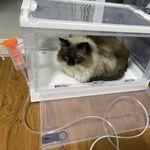
Foldable Pet Nebulizer Box Cage - Cough Breathing, Dual Holes Cat Dog Atomization Oxygen Chamber, Portable Home Animal Medical Tent Hospital(Medium)
ENHEN
9.9
2
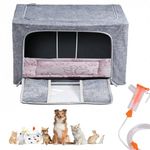
REDDOUDOU Puppy Incubator, Pet Atomization Oxygen Box, Incubator for Kitten and Puppies, Pet Nncubator with Nebulization Kit and Pets Blanket 100L
REDDOUDOU
9.8
3
Portable Pet Oxygen Chamber, ICU Cage for Dogs and Cats, Collapsible Atomization Box With Hands
Pissente
9.7
4
Pet Atomization Nest, Dedicated Folding Oxygen Tent, ICU Cage Cough Breathing Medical Box, Large PET Brooder Nursery for Cough Breathing Treatment Nebulization Box-Small
Ryxor
9.5
7% off
5
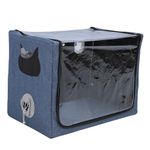
Pet Oxygen Cage, Large Space Oxygen Nebulizer Box, Transparent Design Pet Oxygen Chamber, Enhancing Your Monitoring Capabilities, Can Accommodate Multiple Small Animals, for Dogs Cats
Ymiko
9.4
OtherUp to 26% off
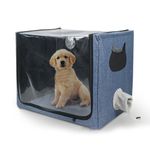
Dual Holes Oxygen Chamber for Pets, Folding Puppy Nebulization Box Dog Cat Oxygen Therapy Box, Portable Atomization Box, Pet Oxygen Therapy Cage for Kitten Home

Puppy Nebulization Box, Small Pet Oxygen Inhalation, Cat and Dog Atomization Box Oxygen Inhalation Machine Dedicated Folding Atomization Box Pet Oxygen Therapy Cage for Cough Breathing Treatment Box
6

Spacious Oxygen Spray Box for Kitten Puppy Cough Breathing Therapy, Oxford Cloth Nebulization Dedicated Chamber, Veterinary Clinics Use(100L)
ENHEN
9.2
7
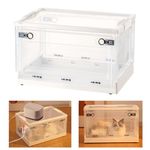
Cowenhey Portable Oxygen Tank Cat&Dog for Pet Cage, Oxygen Room Foldable Nebu-lization Box, Puppy Incubator&Cat Nebulizer for Pets Up to 30lbs (L)
Cowenhey
9.0
8
Pet Atomization Oxygen Box, Small Pet Oxygen Inhalation Box Dog Folding Atomization Chamber, Pet Nebulizer Nest Cat Oxygen ICU Cage, for Kitten Dogs
banapoy
8.8
9

Pet Atomization Nest,Cat and Dog Atomization Box Oxygen Inhalation Machine Dedicated Folding Atomization Box Oxygen Inhalation Box ICU Cage-Grey 24 in
WVNM
8.5
10

Zwinner Pet Atomization Nest, Wear Resistant Oxford Cloth Collapsible Cat Dog Oxygen Tent, Professional Dog Nebulizer Machine, Hands Free Portable ICU Pet Oxygen Therapy Cage, 24.0x15.7x18.1in
Zwinner
8.3
A Guide to Selecting the Best Portable Oxygen For Pets
Choosing a portable oxygen device for pets can feel overwhelming, but understanding your pet’s needs and the key features of these devices will help you make the best choice. The main goal is to ensure your pet receives the right amount of oxygen in a safe, comfortable, and convenient way, especially during emergencies or travel. Always consult your veterinarian before making a decision, as they can provide guidance on your pet’s specific medical requirements.
Oxygen Flow Rate
Oxygen flow rate refers to how much oxygen the device can deliver per minute, usually measured in liters per minute (LPM). This is important because different pets and medical conditions require different amounts of oxygen. Devices with lower flow rates (0.5-1 LPM) are suitable for small pets or mild conditions, while higher flow rates (2-5 LPM) are needed for larger pets or more severe cases. To pick the right flow rate, consult your vet about your pet’s size and health needs, and choose a device that matches or slightly exceeds those requirements.
Portability and Weight
Portability and weight determine how easy it is to carry and use the oxygen device when you’re on the go. Lightweight and compact devices are ideal for travel, emergencies, or moving around the house, while heavier units may be better for stationary use. If you plan to use the device outside the home or need to transport it frequently, look for a model that is easy to carry and has a comfortable handle or strap.
Power Source
The power source indicates how the device operates—some use batteries, others plug into a wall outlet, and some offer both options. Battery-powered devices are more flexible for travel or outdoor use, but you’ll need to check battery life and recharge options. Plug-in models are reliable for home use but limit mobility. If you need flexibility, choose a device with both battery and AC power options, and consider how long you’ll need the device to run between charges.
Oxygen Concentration
Oxygen concentration is the percentage of pure oxygen the device delivers, usually ranging from 85% to 95%. Higher concentrations are more effective for pets with serious breathing issues, while lower concentrations may be sufficient for mild cases or short-term use. Your vet can advise on the right concentration for your pet’s condition, so match the device’s output to those recommendations.
Noise Level
Noise level refers to how loud the device is when operating. Some pets are sensitive to noise, and a loud device can cause stress or anxiety. Devices with lower noise levels (measured in decibels, dB) are better for nervous or easily startled pets. If your pet is calm and used to household noises, this may be less important, but for anxious animals, look for a device specifically described as quiet or low-noise.
Ease of Use and Maintenance
Ease of use and maintenance covers how simple it is to operate the device and keep it clean. Devices with clear instructions, simple controls, and easy-to-replace filters or parts are more user-friendly, especially in stressful situations. If you’re not comfortable with complex equipment, choose a model known for its straightforward operation and minimal maintenance requirements.
Mask or Delivery System Compatibility
The mask or delivery system is how the oxygen actually reaches your pet. Some devices come with masks or hoods designed for pets, while others may require you to purchase these separately. It’s important to ensure the delivery system fits your pet comfortably and securely. For small pets, look for appropriately sized masks; for larger animals, check for adjustable or larger options. Your pet’s comfort and safety should guide your choice here.

Best Reviews Guide Newsletter
Get exclusive articles, recommendations, shopping tips, and sales alerts
Sign up for our newsletter to receive weekly recommendations about seasonal and trendy products
Thank you for subscribing!
By submitting your email address you agree to our Terms and Conditions and Privacy Policy