10 bestNarrow Child Booster Seatof October 2026
112M consumers helped this year.
27% off
1

Chicco GoFit Plus Backless Booster Car Seat with LATCH Attachment and Quick-Release LATCH Removal, Portable Travel Booster Seat for children 40-110 lbs. - Avenue/Black & Charcoal Grey
Chicco
10.0
2

Britax UpNGo Click Backless Booster Car Seat with Rigid LUAS, Lightweight and Portable Travel Booster with Slim Design and PosturePlus, Accommodates Kids up to 120 Lbs and 63” – Parchment
Britax
10.0
3
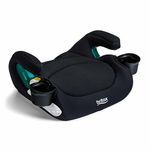
Britax UpNGo Backless Booster Car Seat, Lightweight and Portable Travel Booster with Slim Design and PosturePlus, Accommodates Kids up to 120 Lbs and 63” – Raven Black
Britax
9.8
23% off
4

Cosco Kids Topside Lightweight Backless Belt-Positioning Booster Car Seat, Washable Cover, Tie Dye
Cosco
9.7
5

Graco TurboBooster Backless Booster Seat, Big Kid Car Seat from 18-45 kg (40-100 lb), Machine Washable Cover, Rio
Graco
9.6

5% off
6

Safety 1st Growmate 2-in-1 Belt-Positioning Booster Car Seat, High-Back to Backless, Slim & Lightweight, Fits 3 Across, Adjustable Headrest - Mineral Green
Safety 1st
9.4
10% off
7

Diono Solana 2022, No Latch, Single Backless Booster Car Seat, Lightweight, Machine Washable Covers, Cup Holders, Black
Diono
9.2
14% off
8

Chicco GoFit Backless Booster Car Seat, Travel Seat for Car, Portable Children 40-110 lbs. - Coral/Orange
Chicco
9.0
9

Diono Solana 2 XL 2022, Dual Latch Connectors, Lightweight Backless Belt-Positioning Booster Car Seat, 8 Years 1 Booster Seat, Black
Diono
8.8
10

Evenflo Go Time No Back Booster Car Seat (Static Black)
Evenflo
8.5
Related Reviews You Might Like


A Guide to Selecting the Best Narrow Child Booster Seat
Choosing a narrow child booster seat is all about finding a safe, comfortable, and space-saving option for your child, especially if you need to fit multiple car seats in your vehicle or have a compact car. The right booster seat should provide proper belt positioning, be easy to install, and fit your child’s size and age. Always check your vehicle’s seat dimensions and your child’s measurements before making a decision. Remember, the best booster seat is the one that fits your child, your car, and is used correctly every time.
Width of the Booster Seat
The width of a booster seat refers to how much space it takes up across the back seat of your car. This is especially important if you need to fit more than one car seat or have a smaller vehicle. Narrow booster seats are typically less than 18 inches wide, while standard ones can be wider. If you need to fit three seats across or have limited space, look for the narrowest option that still meets safety standards. Always measure your car’s back seat and compare it to the seat’s width to ensure a good fit.
Type of Booster Seat (High-Back vs. Backless)
Booster seats come in two main types: high-back and backless. High-back boosters provide head and neck support and help position the seat belt correctly, making them a good choice for younger children or cars without headrests. Backless boosters are more compact and easier to move between vehicles, but they require your car to have a proper headrest. Choose a high-back booster if your child still naps in the car or if your vehicle lacks headrests; opt for a backless booster for older children and when portability is a priority.
Weight and Height Limits
Every booster seat has minimum and maximum weight and height limits, which indicate the size range of children it can safely accommodate. These limits are important for ensuring your child is protected in a crash. Booster seats usually start at around 40 pounds and go up to 100-120 pounds, with height limits varying as well. Always check your child’s current weight and height and choose a seat that fits them now and allows for some growth, but don’t use a seat if your child is below the minimum requirements.
Seat Belt Positioning Guides
Seat belt guides help position the vehicle’s seat belt correctly across your child’s shoulder and lap, which is crucial for safety. Some boosters have adjustable guides to accommodate different child sizes and car seat belt setups. Look for a booster with easy-to-use, clearly marked guides, especially if your child will be buckling themselves. Make sure the guides allow the belt to sit flat across the upper thighs and shoulder, not the stomach or neck.
Ease of Installation and Portability
A booster seat should be easy to install and move between vehicles if needed. Some seats have features like LATCH connectors for extra stability, while others are simply placed on the seat and secured by the seat belt. If you’ll be moving the seat often or using it for carpooling, choose a lightweight, easy-to-carry model. If the seat will stay in one car, installation features may be more important than portability.
Comfort Features
Comfort features include padding, armrests, cup holders, and breathable fabrics. These can make longer rides more pleasant for your child and encourage them to stay properly seated. If your child will spend a lot of time in the booster, look for extra padding and adjustable features. For occasional short trips, basic comfort may be enough.

Best Reviews Guide Newsletter
Get exclusive articles, recommendations, shopping tips, and sales alerts
Sign up for our newsletter to receive weekly recommendations about seasonal and trendy products
Thank you for subscribing!
By submitting your email address you agree to our Terms and Conditions and Privacy Policy