10 bestInflatable Dinghiesof October 2026
112M consumers helped this year.
1

INTEX 68325EP Excursion 5 Inflatable Boat Set: Includes Deluxe 54in Boat Oars and High-Output Pump – Adjustable Seats with Backrest – Fishing Rod Holders – 5-Person – 1320lb Weight Capacity
Intex
9.8
2

BEYOND MARINA 10.8ft Inflatable Boat - 5 Person Inflatable Dinghy Boat for Adults 15 Horsepower Heavy Duty Fishing Boat with Aluminum Oars, Floor Panels
BEYOND MARINA
9.6
3

BRIS 12.5 ft Inflatable Boat Inflatable Dinghy Rescue & Dive Raft Fishing Boat
BRIS
9.4
4

Seamax Upgraded Heavy Duty Ocean320 10.5ft Inflatable Boat with 24mm Aluminum Floor, Rivet-Free Design,V Bottom, Max Support 15HP Motor (Dark Grey)
Seamax
9.1
5

INTEX 68324EP Excursion 4 Inflatable Boat Set: Includes Deluxe 54in Aluminum Oars and High-Output Pump – Adjustable Seats with Backrest – Fishing Rod Holders – 4-Person – 1100lb Weight Capacity
Intex
8.9
OtherUp to 22% off

BRIS 10.8 ft Inflatable Boat Raft Fishing Dinghy Tender poonton Boat GW

BRIS 14.1 ft Inflatable Kayak Boat Raft Fishing Dinghy Tender poonton Boat

Seamax Inflatable Boat AIR320 10.5ft Fishing Tender, Light Weight Air High Pressure Non Slip Deck, Wider Beam & Multiple Soft Handles, Good for Dinghy Davit System

INTEX 68347EP Seahawk 2 Inflatable Boat Set: Includes Deluxe 48in Aluminum Oars and High-Output Pump – SuperStrong PVC – Fishing Rod Holders – 2-Person – 520lb Weight Capacity
6
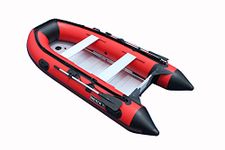
10.8 ft Inflatable Boat Raft Fishing Dinghy Pontoon Boat with Aluminum Floor (Red)
BOATIFY
8.6
7

CO-Z 10' Inflatable Dinghy Boat for Adults, Portable Boat Raft for 4 Person Water Touring, Foldable Dinghy Float for Boating Fishing Hunting or Playing on Lakes Rivers and White Water Rapids
CO-Z
8.3
8
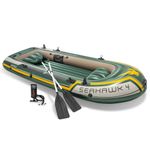
INTEX 68351EP Seahawk 4 Inflatable Boat Set: Includes Deluxe 54in Aluminum Oars and High-Output Pump – SuperStrong PVC – Fishing Rod Holders – 4-Person – 1050lb Weight Capacity
Intex
8.0
9

CO-Z 7.5' Inflatable Dinghy Boat for Adults, Portable Dinghy Boats Raft for 2 Person Water Touring, Foldable Fishing Boat Float for Boating Fishing Hunting or Playing on Lakes Rivers
CO-Z
7.8
10
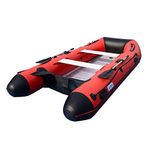
BRIS 12ft Inflatable Boat Inflatable Raft Sport Rescue Diving Boat Fishing Dinghy Tender Pontoon
BRIS
7.5
Related Reviews You Might Like


A Guide to Selecting the Best Inflatable Dinghies
Choosing the right inflatable dinghy can make a big difference in your boating experience, whether you’re using it for fishing, as a tender for a larger boat, or just for fun on the water. The key is to match the dinghy’s features to your intended use, the number of people you’ll carry, and the conditions you’ll face. Understanding the main specifications will help you make a confident and informed decision.
Size and Capacity
Size refers to the overall length and width of the dinghy, while capacity is about how many people or how much weight it can safely carry. This is important because a dinghy that’s too small may not be stable or safe for your group, while one that’s too large can be harder to handle and store. Small dinghies (around 6-8 feet) are best for one or two people and short trips, medium sizes (8-10 feet) suit small families or groups, and larger ones (10+ feet) are good for more people or gear. Think about how many people and how much equipment you’ll usually have, and choose a size that comfortably fits your needs.
Material
Inflatable dinghies are typically made from PVC or Hypalon. The material affects durability, weight, and resistance to sun and chemicals. PVC is lighter and more affordable, making it good for occasional use or easy transport, but it may not last as long in harsh sun or rough conditions. Hypalon is heavier and more expensive, but it’s tougher and better for frequent use or hot climates. If you plan to use your dinghy often or in challenging environments, Hypalon is a better choice; for light, occasional use, PVC may be sufficient.
Floor Type
The floor of an inflatable dinghy can be slatted, air deck, or rigid. Slatted floors are lightweight and easy to roll up, but less stable. Air decks are inflatable, offering a good balance of comfort and portability, and are easy to set up. Rigid floors (often made of aluminum or wood panels) provide the best stability and performance, especially if you plan to stand or carry heavy loads, but they take more time to assemble and are heavier. Choose a floor type based on how you’ll use the dinghy: for quick trips and easy storage, slatted or air decks are ideal; for fishing or carrying lots of gear, a rigid floor is better.
Chambers
Chambers are separate air compartments in the dinghy. More chambers mean better safety, because if one chamber gets punctured, the others will keep the boat afloat. Most dinghies have at least two or three chambers. For added safety, especially if you’ll be far from shore or in rough water, look for a model with more chambers. If you’ll stay close to shore, fewer chambers may be acceptable.
Transom Type
The transom is the back part of the dinghy where you can mount a motor. Some dinghies have a solid transom for attaching an outboard engine, while others are designed for rowing only. If you plan to use a motor, make sure the dinghy has a sturdy transom and check the maximum engine size it can handle. If you’ll only row, a lighter, simpler transom is fine. Your choice depends on whether you want to motor or paddle.
Portability and Storage
Portability is about how easy it is to transport and store the dinghy. Lighter, smaller dinghies with fewer rigid parts are easier to carry, pack, and store, making them great for people with limited space or who need to move the dinghy often. Heavier, larger models may require more effort and space. Think about where you’ll store the dinghy and how you’ll transport it, and pick a model that fits your situation.

Best Reviews Guide Newsletter
Get exclusive articles, recommendations, shopping tips, and sales alerts
Sign up for our newsletter to receive weekly recommendations about seasonal and trendy products
Thank you for subscribing!
By submitting your email address you agree to our Terms and Conditions and Privacy Policy