10 bestHard Hats That Sit Low On Headof October 2026
112M consumers helped this year.
1

MSA 10021292 V-Gard Full-Brim Hard Hat with Fas-Trac III Ratchet Suspension | Polyethylene Shell, Superior Impact Protection, Self Adjusting Crown Straps - Standard Size in Hi-Viz Orange
MSA
10.0
2
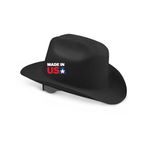
Western Outlaw Hard HAT Black
Jackson Safety
10.0
3
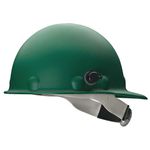
Fibre-Metal by Honeywell P2AQRW74A000 Super Eight Fiber Glass Cap Style Ratchet Hard Hat with Quick-Lok, Green
FIBRE-METAL
9.9
4

MSA 10082235 Freedom Series V-Gard Full-Brim Hard Hat with Fas-Trac III Ratchet Suspension | Polyethylene Shell, Self Adjusting Crown Straps - Standard Size in Canadian Black
MSA
9.9
15% off
5
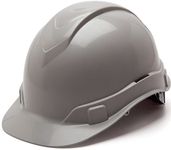
Pyramex Safety Products HP44112
PYRAMEX
9.8
Other
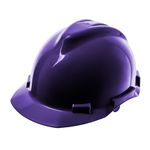
Glove Station Hard Hat for Men & Women - Construction Safety Helmet & Hard Hat, One Size with Padded 4-Point Ratchet Suspension, Non-Vented High-Density Polypropylene Shell
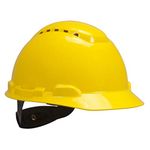
3M Hard Hat, Yellow, Lightweight, Vented, UV Indicator, Adjustable 4-Point Ratchet, H-702V-UV
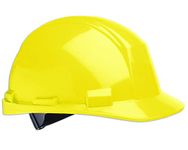
Honeywell 'Matterhorn'' - Hard hat with/rain trough, HDPE shell, foam liner, 4-pt nylon susp, ratchet adj, 4 anchor pts for chin strap. A89R020000
6

MSA 488146 V-Gard Cap Style Safety Hard Hat with Fas-Trac III Ratchet Suspension Polyethylene Shell, Superior Impact Protection, Self Adjusting Crown Straps - Standard Size in Hi-Viz Orange
MSA
9.6
7

Jackson Safety Blockhead Fiberglass Full Brim Hard Hat, Vented, Composite Wrap, 4-pt. Suspension, 20620
Jackson Safety
9.4
8

Honeywell E1RW11A000 Fibre-Metal Super Eight Full Brim Ratchet Hard Hat, Black
FIBRE-METAL
9.1
9
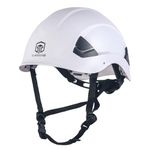
GUARDLEAD Vented ABS Safety Hard Hat with Chin Strap - ANSI Z89.1-2014 Certified for Men & Women, Construction Helmet Hardhat (White)
GUARDLEAD
8.9
10
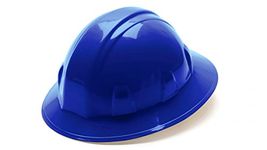
Pyramex Safety SL Series Full Brim Hard Hat, 6-Point Ratchet Suspension, Blue
PYRAMEX
8.6
A Guide to Selecting the Best Hard Hats That Sit Low On Head
Choosing a hard hat that sits low on your head is important for both comfort and safety. A low-sitting hard hat can provide a more secure fit, reduce the risk of the hat falling off, and often looks less bulky. When shopping for a hard hat, it's important to consider how it fits, the type of protection it offers, and how comfortable it will be during long periods of use. Understanding the key features will help you select a hard hat that not only meets safety standards but also feels right for your daily needs.
Fit and Suspension System
The fit and suspension system refers to the internal harness that holds the hard hat on your head. This is crucial because it determines how low the hat sits and how comfortable it feels. There are different types of suspension systems, such as 4-point, 6-point, and ratchet adjustments. A 6-point suspension generally distributes weight more evenly and can allow the hat to sit lower, while a ratchet system makes it easy to adjust the fit. If you want a low-sitting hard hat, look for models with adjustable suspension systems that let you position the hat lower on your head. Try different types to see which feels most secure and comfortable for your head shape.
Shell Profile
The shell profile is the shape and depth of the hard hat's outer shell. A low-profile shell is designed to sit closer to your head, reducing the overall height and making the hat look and feel less bulky. High-profile shells sit higher and may feel less stable. If you prefer a hard hat that sits low, look for descriptions like 'low-profile' or 'low-sitting' in the product details. This is especially important if you work in environments where you need to avoid bumping your head or want a more streamlined look.
Material
Hard hats are made from materials like high-density polyethylene (HDPE), fiberglass, or polycarbonate. The material affects the weight, durability, and comfort of the hat. Lighter materials can make a low-sitting hard hat more comfortable for all-day wear, while still providing strong protection. If you need a hard hat for heavy-duty work, fiberglass might be a good choice, but for general use, HDPE is often lighter and more comfortable. Consider your work environment and how long you'll be wearing the hat when choosing the material.
Type and Class
Hard hats are classified by the type of protection they offer. Type I protects from impacts to the top of the head, while Type II also protects from side impacts. Classes (G, E, C) indicate electrical protection: Class G (general), Class E (electrical), and Class C (conductive, no electrical protection). If you need a low-sitting hard hat, make sure it still meets the safety requirements for your job. For example, if you work around electricity, a Class E hard hat is necessary. Always match the type and class to your work environment.
Comfort Features
Comfort features include things like sweatbands, ventilation, and padding. These features can make a big difference, especially if you wear your hard hat for long periods. Ventilation helps keep you cool, while padded sweatbands reduce irritation. Some low-sitting hard hats may have less space for airflow, so look for models with built-in vents or moisture-wicking liners if you work in hot conditions. Choose comfort features based on your typical workday and climate.

Best Reviews Guide Newsletter
Get exclusive articles, recommendations, shopping tips, and sales alerts
Sign up for our newsletter to receive weekly recommendations about seasonal and trendy products
Thank you for subscribing!
By submitting your email address you agree to our Terms and Conditions and Privacy Policy