10 bestBook For Boys Pubertiesof October 2026
112M consumers helped this year.
1

Guy Stuff: The Body Book for Boys
American Girl
9.9
15% off
2

It's Perfectly Normal: Changing Bodies, Growing Up, Sex, Gender, and Sexual Health
Candlewick
9.8
3

The Boys' Guide to Growing Up: the best-selling puberty guide for boys
Wren & Rook
9.7
5% off
4

Growing Up Great!: The Ultimate Puberty Book for Boys
Callisto Kids
9.4
5

Puberty Is Gross but Also Really Awesome
Rodale
9.2
OtherUp to 6% off

The Teenage Guy's Survival Guide: The Real Deal on Going Out, Growing Up, and Other Guy Stuff

The Boy's Body Book (Fifth Edition): Everything You Need to Know for a Healthy, Happy YOU!

What's Happening to Tom?: A book about puberty for boys and young men with autism and related conditions

Lift-the-Flap Questions and Answers About Growing Up
6
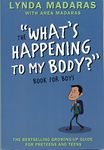
What's Happening to My Body? Book for Boys: Revised Edition
HarperCollins Children's Books
8.9
7
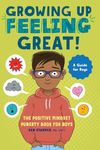
Growing Up Feeling Great!: The Positive Mindset Puberty Book for Boys
Callisto Kids
8.6
8

Growing Up: A Teenager's and Parent's Guide to Puberty and Adolescence
DK
8.4
9
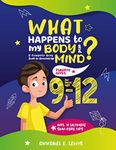
What Happens To My Body and Mind: A Complete Boys' Guide to Growing Up including 10 Ultimate Skin-Care Tips | Puberty Books for Boys Age 9-12
8.1
10

Respect: Everything a Guy Needs to Know About Sex, Love, and Consent
Random House Books for Young Readers
7.8
Related Reviews You Might Like

A Guide to Selecting the Best Book For Boys Puberties
Choosing the right book for boys going through puberty is an important step in helping them understand the changes happening in their bodies and minds. The best book will be age-appropriate, easy to understand, and sensitive to the emotional and physical changes boys experience during this time. When selecting a book, consider the boy’s maturity level, interests, and the kind of guidance or reassurance he might need. A good book can provide accurate information, answer common questions, and help boys feel more confident and less alone as they grow.
Age Appropriateness
Age appropriateness refers to how well the book matches the developmental stage and understanding of the reader. This is important because a book that is too advanced may confuse or overwhelm a younger boy, while one that is too simple may not provide enough information for an older boy. Books for younger boys (around 8-10 years old) usually focus on basic body changes and feelings, using simple language and illustrations. Books for preteens and early teens (11-14 years old) often go into more detail about puberty, relationships, and emotional changes. To pick the right one, consider the boy’s current age, maturity, and what topics he is ready to learn about.
Content Coverage
Content coverage means the range of topics the book addresses, such as physical changes, emotional health, hygiene, relationships, and self-esteem. This is important because puberty involves more than just physical changes; boys also experience new feelings and social situations. Some books focus mainly on the science of puberty, while others include advice on friendships, family, and mental health. If the boy is curious about a wide range of topics, look for a book with broad coverage. If he has specific questions or concerns, a book that focuses on those areas may be best.
Language and Tone
Language and tone refer to how the book communicates its information—whether it’s formal or casual, serious or humorous. This matters because boys are more likely to engage with a book that feels relatable and comfortable. Some books use humor and cartoons to make the subject less intimidating, while others take a more straightforward, factual approach. Think about the boy’s personality and what style he would respond to best. If he’s shy or nervous about puberty, a gentle and reassuring tone might help. If he enjoys jokes and cartoons, a lighthearted book could make learning easier.
Illustrations and Visuals
Illustrations and visuals are the pictures, diagrams, and drawings included in the book. These are important because they can help explain complex changes in a clear and non-embarrassing way. Some books use simple diagrams to show how the body changes, while others include more detailed illustrations or even comics. For boys who learn better visually or who might be uncomfortable with too much text, a book with helpful visuals can make the information easier to understand and less intimidating.
Cultural Sensitivity and Inclusivity
Cultural sensitivity and inclusivity refer to how well the book respects different backgrounds, family structures, and experiences. This is important because every boy’s experience of puberty is unique, and a book that acknowledges diversity can help all readers feel seen and respected. Some books include stories or examples from a variety of cultures and family types, while others may focus on a single perspective. If the boy comes from a particular cultural or family background, look for a book that reflects or respects that experience.

Best Reviews Guide Newsletter
Get exclusive articles, recommendations, shopping tips, and sales alerts
Sign up for our newsletter to receive weekly recommendations about seasonal and trendy products
Thank you for subscribing!
By submitting your email address you agree to our Terms and Conditions and Privacy Policy